Statement of Realignment
As of March 2026, Doulas4CT® is currently undergoing a period of intentional realignment and restabilization. After several years in which the coalition’s activities and direction were not fully aligned with its original purpose, Earth’s Natural Touch: Birth Care & Beyond has claimed control to recommit the coalition to its founding goals of supporting doulas across the state of Connecticut, particularly Black doulas, and improving access to culturally responsive doula care for Black families and other historically marginalized communities.

Goals of Doulas4CT®
The goals of Doulas4CT® include:
- Strengthen the doula workforce across Connecticut through collective support, advocacy, and shared resources
- Improve access to doula care for Black families and other underserved communities
- Advocate for policies and systems change that recognize doulas as essential members of the maternal health workforce
- Support Black doulas through leadership opportunities, supporting doulas working to create systemic change and collaborative pathways, and protection against exploitation
- Create spaces for collaboration among doulas, community organizations, healthcare systems, and policymakers
Doulas4CT® operates within a coalition model. Meaning:
- Decisions are informed by community needs and lived experience
- Participation is flexible and capacity-aware
- Together, we collectively share the workload
The coalition prioritizes sustainable engagement, recognizing that many doulas and advocates are already doing emotionally and physically demanding work. We understand that what we pour into systemic change is what we will get out. We are committed to doing what we can.

How Advocacy Meets Community
The Doulas4CT® Coalition exists at the intersection of lived experience and systems change. Our coalition centers community voices as a form of expertise. The experiences of doulas, birth workers, and families are not anecdotal. They are essential data. Through structured dialogue, relationship-building, and collective analysis, we translate these experiences into shared priorities that inform advocacy, policy conversations, and systems engagement. In practice, this means:
- Community perspectives shaping advocacy goals
- Birth workers informing implementation conversations
- Families’ needs remaining central as policies evolve
- Advocacy efforts staying accountable to the people most impacted
When advocacy is rooted in community, it becomes more ethical, more effective, and more sustainable.

CT Modern Doula Movement History

Phase 1: Foundation Building (2018): Education, Relationship-Building, and Awareness
2018 - Laying the Foundation
Since 2018, there has been a lot of buzz stirring up about Doulas in Connecticut. Earth's Natural Touch: Birth Care & Beyond (ENT) helped to elevate conversations about culturally responsive birth support and maternal health equity during this period. By 2018, ENT had already been training doulas for a few years in an effort to diversify the doula workforce and increase access to culturally aligned doulas in marginalized communities.
Before formal coalition work emerged, Earth’s Natural Touch: Birth Care & Beyond and other advocates across Connecticut were already:
- Highlighting maternal health disparities
- Building relationships with healthcare organizations
- Exploring reimbursement opportunities
- Training doulas or creating doula programs
- Helping to elevate conversations about culturally responsive birth support and maternal health equity.
Coalition Building (2019–2022)
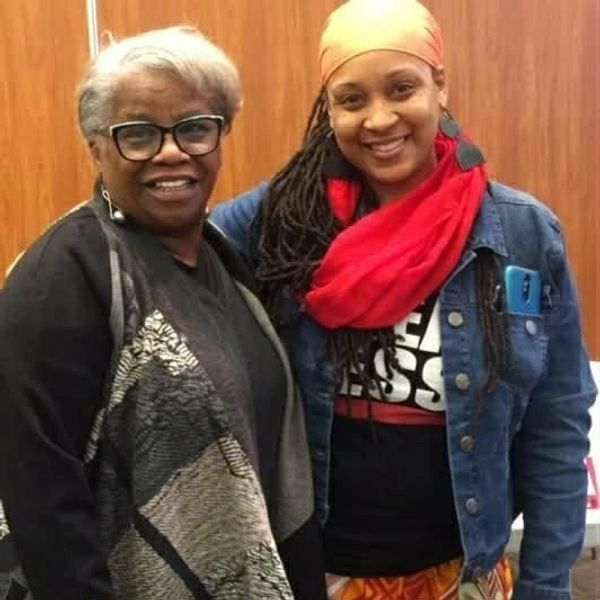
Phase 2: Coalition Building (2019–2022): Formation of Doulas4CT, stakeholder engagement, maternal health advocacy, and policy development.
2019 - The Formation of Doulas4CT Coalition - A Critical Historical Milestone
Many people view Connecticut's doula legislation as beginning with the 2023 certification law. In reality, much of the groundwork was laid years earlier through coalition-building efforts. One of the most important developments in Connecticut's doula movement was the creation of the Doulas4CT Coalition. Doulas4CT was formed in 2019 to create a unified statewide voice for doulas and address disparities in access to doula care throughout Connecticut.
The coalition centered Black doulas, Black families, and culturally responsive care while pursuing policy change and systems-level improvements. Earth's Natural Touch: Birth Care & Beyond was a co-creator of the Doulas4CT Coalition alongside community members, doulas, advocates, and community organizations across Connecticut, such as Health Equity Solutions, Planned Parenthood, March of Dimes, and others.
The coalition became a vehicle for:
- Legislative advocacy
- Doula workforce sustainability
- Medicaid reimbursement discussions
- Maternal health equity efforts
- Community education
- Systems and policy change effort
Connecticut Introduces Its First Comprehensive Doula Legislation: Senate Bill 1078 - The blueprint that started Connecticut's legislative journey.
SB 1078 – An Act Concerning Doula Certification and Medicaid Reimbursement for Doula Services
In 2019, Connecticut took its first major legislative step toward formally recognizing doulas as part of the maternal healthcare system with the introduction of Senate Bill 1078 - An Act Concerning Doula Certification and Medicaid Reimbursement for Doula Services. The bill represented the first comprehensive attempt in Connecticut to establish a statewide framework for doula certification and payment for doula services through Medicaid. This was not a bill that doulas asked for. Doulas did not ask to be recognized for our work, regulated, or certified by the state. Although doula access can be very beneficial for families, being regulated by the state has always been seen as restrictive to a doula's role and potentially a vehicle for unintended consequences to the doula profession. On the flip side, if the doula profession were going to be regulated by the state, it would be necessary for doulas to be at the tables discussing it and to continue to educate legislators, policymakers, medical providers, and the community about our role. So that is exactly what we did. The bill was championed by Senator Marilyn Moore (D-Bridgeport), a longtime advocate for maternal health equity and improved health outcomes for communities experiencing disparities. Senator Moore helped elevate the importance of doulas within the legislative conversation and brought the bill forward during the 2019 legislative session. When SB 1078 reached the Senate floor, Senator Moore presented the legislation and advocated for its passage. Her early support created momentum that helped pave the way for the later legislation that established doula certification and Medicaid reimbursement. She spent time talking and connecting with doulas and wanted to learn more about what our role was and listened to what we wanted and didn’t want. She spoke to us individually, attended our meetings, and came to doula town halls. She was active!
Senate Bill 1078
WHAT SB 1078 WOULD HAVE DONE!
SB 1078 proposed many elements that would later become central to Connecticut's doula policy framework, including:
- Establishing a state certification process for doulas through the Department of Public Health.
- Creating a publicly accessible registry of state-certified doulas.
- Establishing requirements for education and training.
- Allowing Medicaid reimbursement for certified doula services.
- Creating reimbursement rates for doula care ranging from $900 to $1,500 per pregnancy.
- Recognizing that doula services include much more than attending births, including prenatal visits, postpartum support, communication and education, documentation, referrals, and coordination with community resources.
The bill also reflected an important understanding that had often been missing from healthcare policy discussions: doula work extends beyond the hours spent physically attending a birth. It includes relationship-building, preparation, advocacy support, education, referrals, and the extensive behind-the-scenes work required to support families throughout the perinatal period.
Community Advocacy and Testimony
Senate Bill 1078
SB 1078 also marked an important moment for Connecticut's doula community. Doulas, maternal health advocates, and community members of all ages came directly to the legislature for the public hearing to share their experiences as doulas, with doulas, or in support of doulas. SciHonor Devotion and other maternal health advocates provided in-person testimony, emphasizing the importance of increasing access to culturally responsive doula care and addressing racial disparities in maternal health outcomes. For many advocates, this was a defining moment: doulas were no longer only educating policymakers and the community about what they did. They were actively participating in shaping public policy.
Although SB 1078 did not become law, it was a foundational moment in Connecticut's doula history. It introduced the core policy ideas that would continue developing over the next several years.
2020 - COVID-19

The Visibility of the Maternal Health Systems Crisis
The pandemic highlighted the value and importance of doula support during pregnancy and birth. Before the world shut down in 2020, Doulas4CT hosted community events, town halls, testimony-writing workshops and was continuing to raise awareness about doulas in Connecticut. This is where ideas and questions began to be generated about workforce development, doula sustainability, earning a living wage considering the rising costs of living, health insurance, mandatory reporting, and more. COVID exposed gaps in maternity care and strengthened arguments for recognizing doulas as essential members of the perinatal support team.
As hospitals responded to an unprecedented public health emergency, labor and delivery units implemented rapidly changing visitor policies designed to reduce the spread of the virus. Doula policies often varied from one hospital to another and changed as COVID-19 case rates rose and fell. Some hospitals temporarily prohibited doulas altogether or counted them as the patient's single support person, forcing families to choose between having a doula or a spouse, partner, or family member present. Hospital doula policies could have been drastically different between hospitals and even in the same hospital or hospital system on the same day.
AWHONN (The Association of Women's Health, Obstetric, and Neonatal Nurses) made a statement about doulas supporting clients during the pandemic: “Doulas are not visitors and should not be blocked from caring for patients in the antepartum, intrapartum, and postpartum period. Most doulas have been contracted by patients weeks to months ahead of time and have established provider relationships. They are recognized by AWHONN and ACOG as essential personnel and part of the maternity care team.”
Community-based doulas quickly adapted by
- Providing prenatal education virtually.
- Offering labor support through video and phone when they could not be physically present.
- Helping families navigate rapidly changing hospital policies.
- Continuing to advocate for respectful, patient-centered maternity care during a time of extraordinary stress.
2021- Connecticut Officially Recognizes Doulas in State Law for the First Time.
Senate Bill 1 / Public Act 21-35
For many Connecticut doulas, advocates, and community organizations, the introduction of Senate Bill 1 / Public Act 21-35 represented a historic moment. Senator Marilyn Moore was one of the most visible champions of the doula language in SB 1. Senate Bill 1 also declared racism a public health crisis.
By the time SB 1 reached the Senate floor, legislators already had a growing understanding of the role doulas played in improving birth outcomes and advancing maternal health equity. But there was still so much to learn.
While it was recognized that this bill could eventually lead to Medicaid reimbursement, doulas were still hesitant about the downsides of regulation.
Although the bill addressed a broad range of healthcare issues related to Connecticut's response to the COVID-19 pandemic, it included something that had never before appeared in Connecticut statute: an official legal definition of a “doula” ("a trained, nonmedical professional who provides physical, emotional, and informational support, virtually or in person, to a pregnant person before, during, and after birth”) and a directive for the Department of Public Health to study whether the state should establish a certification process.
Connecticut policymakers increasingly recognized:
- Significant racial disparities in maternal outcomes
- The need for culturally responsive care
- The potential role of doulas in improving birth experiences and outcomes
Today it may seem routine to see the word "doula" in Connecticut law. In 2021, however, the passage of Senate Bill 1 did not just pass, it had requirements attached.
SB1 required the Department of Public Health (DPH) to conduct a scope of practice review process regarding the concept of doula certification. The department was to convene a working group that included doulas and others who were interested in or impacted by doula certification in Connecticut. This allowed time to provide insight and recommendations that would be compiled into a report that was due to the state legislature by February 1, 2022. SciHonor Devotion, founding director of Earth’s Natural Touch: Birth Care & Beyond, and co-founder of Doulas4CT, and Traci McComiskey, founder and executive director of Birth Support Education and Beyond, were among those appointed and are both still appointed to the Doula Training Review Committee.
By 2021, organizations such as Doulas4CT Coalition, along with Earth’s Natural Touch: Birth Care & Beyond, community doulas, healthcare providers, legislators, and maternal health advocates, had spent years educating policymakers about what doula care was and wasn’t, the value of doula care, and the need to address persistent racial disparities in maternal health outcomes.
This year, the Connecticut Health Foundation provided a grant in the amount of $76,811. United Way of Coastal Fairfield County was the fiscal agent. This grant was given specifically to support Doulas4CT in its advocacy work to assure that state policies to address maternal health outcomes reflect the input of doulas and are designed to improve equity. The grant will also support advocacy and leadership training to broaden the number of doulas participating in advocacy.
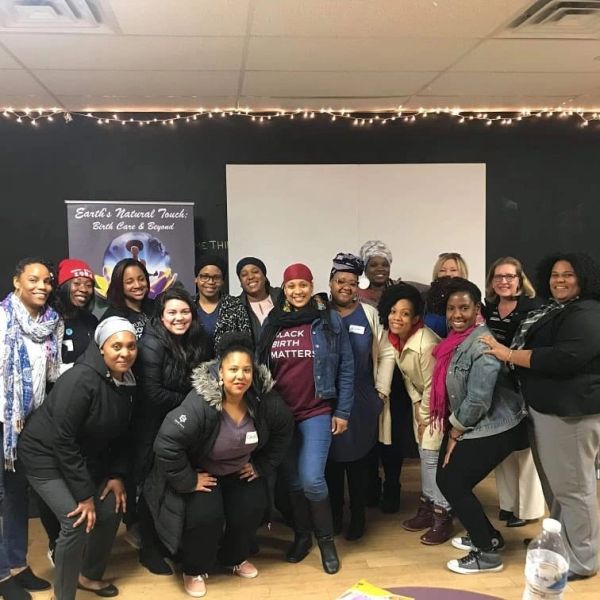
2022 - Coalition Building and Building the Framework: Senate Bill 395 and the Creation of a Doula Advisory Structure
SB 395 – An Act Concerning the Establishment of the Doula Advisory Council and Doula Certification
Following the foundation laid by SB 1078 in 2019 and the recognition of doulas in Public Act 21-35, Connecticut continued moving toward a formal statewide system for doula recognition and certification.
In 2022, Senate Bill 395,“ An Act Concerning the Establishment of the Doula Advisory Council and Doula Certification," was another significant step in Connecticut's legislative journey. The bill focused on creating a formal advisory structure to help guide the state in determining how doula certification should be developed and implemented.
This bill advanced several concepts that would become central to Connecticut's eventual doula certification system, including:
- Establishing a Doula Advisory Council to provide guidance on doula certification.
- Bringing together practicing doulas, healthcare professionals, public health representatives, and other stakeholders.
- Developing recommendations regarding:
- Doula training and trainer requirements.
- Certification standards.
- Recognition of doula education programs.
- Continuing education expectations.
- Creating a pathway toward formal state recognition while considering the perspectives of those already practicing as doulas.
SB 395 was an important transition point. At this point, Connecticut stopped asking whether doulas should be recognized as professionals or not. The conversation was beginning to shift to the more layered and complex questions that doulas had been thinking of and had concerns about all along:
- How can Connecticut ensure quality while preserving the diversity of doula pathways?
- How can community-based doulas have a meaningful voice in shaping the profession's future?
- How can developing state standards improve competency without creating unnecessary barriers?
This was especially important because doulas all over the country had been raising concerns about regulation, accessing trainings that aligned with their goals and target population (particularly Black doulas), and ensuring that community-based voices were included in decision-making.
CT Department of Social Services (CT-DSS) hosted Maternity Bundle Doula Sub-Group meetings to present implementation plans and receive feedback.
Earth's Natural Touch: Birth Care & Beyond and other active members of the Doulas4CT Coalition continued participating in stakeholder meetings, legislative discussions, and maternal health workgroups that helped lay the groundwork for future legislations.
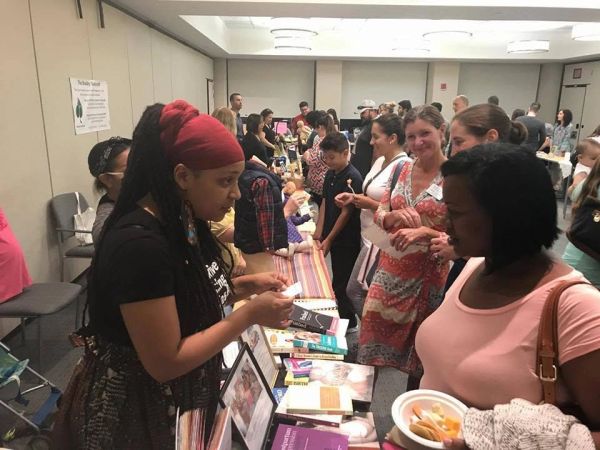
Phase 3: Recognition and Certification (2023)
Passage of Public Act 23-147 / SB 986 establishing doula certification, the Doula Advisory Committee, and eventually the Doula Training Program Review Committee.
2023 - Connecticut Establishes the Certification Framework for Doulas
(SB 986 / Public Act 23-147) - Connecticut's statutory framework for doulas was created.
This law required or established
- An expanded definition of the term “Doula”
- State certification for doulas: "Certified doula" which in law means, “a doula that is certified by the Department of Public Health.” This caused a lot of confusion amongst doulas since doulas had been receiving training and becoming “certified” by their training organizations for over three decades without states ever thinking of certifying or even recognizing doulas and what they do.
- The Doula Advisory Committee
- The Doula Training Program Review Committee
- A process for reviewing and approving doula education programs.
Connecticut began to create a pathway for certification.
Initial Connecticut Doula Landscape Analysis
As Connecticut prepared to implement certification, Primary Maternity Care worked closely with CT Department of Social Services (DSS), Community Health Network of CT, and Health Equity Solutions (HES) to support the design, planning, and successful integration of doula services into the HUSKY Maternity Bundle. They conducted a Connecticut Doula Landscape Analysis, which assessed the existing doula landscape in CT, including capacity, network adequacy, and infrastructure.
They also surveyed doula training programs to identify which state-based programs would report that they met the state’s core competency expectations at the time. Of the programs reviewed, four Connecticut based programs said they met the expectations. Of the four programs identified, ENT's 14-month doula training program was identified. Before the state could determine certification requirements, it was helpful to understand what state-based training programs already existed and what competencies Connecticut doulas were receiving. This work helped inform discussions that contributed to certification standards and training recognition.
During 2023, the Connecticut Health Foundation gave Doulas4CT another grant. This grant was $100,000 and the fiscal agent was United Way of Coastal Fairfield County. This grant was specifically given to support doulas to participate in the development and implementation of state policy to assure that decisions include the perspectives of doulas and a focus on equity. This included the design and implementation of a Medicaid bundled payment for maternity services and the development of a certification process for doulas. Doulas4CT was to also provide community education about doula services and maternal health.

Phase 4: Implementation and Access (2024–2026)
Development of certification systems, Medicaid reimbursement, and hospital integration efforts.
2024 - Building the Infrastructure
State agencies focused on:
- Developing certification procedures
- Creating Medicaid enrollment pathways
- Establishing continuing education requirements
- Reviewing and recognizing doula training programs
- Operationalizing the recommendations of the Doula Advisory Committee and Doula Training Program Review Committee
Connecticut was striving to turn legislation into something solid. While 2024 did not produce a major new doula law, it was still an important year. Unfortunately, since 2022, the coalition had begun to shift away from its mission and purpose, and by 2024, without active legislation or policy work being done, the coalition went on a pause until things became active again. However, its name and reputation were still strong along with Earth’s Natural Touch: Birth Care & Beyond. Unbeknownst to the founding members of the coalition, for over a year, individuals associated with the coalition began to claim leadership status of the coalition and ENT, and used the organizations' names, work history, community relationships, and reputation to leverage themselves into opportunities and to secure funding for projects unrelated to either ENT or the coalition's mission, purpose and agenda.
The coalition had no leaders. Hence the name Doulas4CT Coalition. When this was discovered by a few coalition founders, alarms were rung. The other founding and active members were informed, the organizations that received forged agreements / contracts or were otherwise involved were informed, questions were asked, action was taken, law enforcement was contacted, and a trademark for the coalition name was filed so that it could no longer be misrepresented and misused. Although it was documented and presented to the community that Doulas4CT / Earth’s Natural Touch: Birth Care & Beyond received grant money, neither organization did. Instead of the coalition working on educating the community about doulas, the upcoming Medicaid benefit, and preparing doulas for what to expect, this issue had to be dealt with, so it slowed coalition efforts down drastically.
The CT-DPH Maternal Health Task Force (MHTF) was established in 2024 and brought together public health professionals, clinical providers, hospitals, community organizations, and more to develop statewide strategies to reduce maternal morbidity and mortality and address maternal health disparities. SciHonor Devotion of Earth’s Natural Touch: Birth Care & Beyond sits on this task force.
Earth’s Natural Touch: Birth Care & Beyond became a nonprofit 501(c)(3) organization this year.
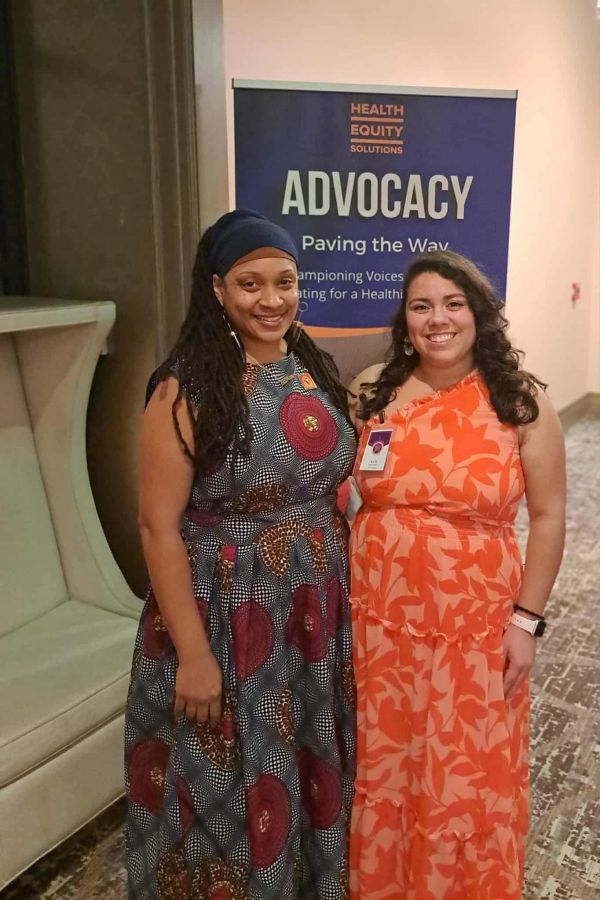
2025 - Medicaid Coverage Becomes Reality
Connecticut officially launched Medicaid reimbursement for state-certified doulas through HUSKY Health. For the first time, eligible Connecticut families covered by Medicaid could access doula support with state-certified, HUSKY-enrolled doulas who would be reimbursed through the state's healthcare system. This represented the culmination of years of advocacy focused on sustainability, workforce development, and equitable access to culturally responsive doula care.
Unfortunately, without an active coalition, doulas and families lacked the needed information and support to get started and to be connected to each other. Medicaid enrollment numbers for doulas were low. Earth’s Natural Touch: Birth Care & Beyond, Inc. worked to create the bones of coalition again in a way that the work could be done, but the coalition could also remain protected from exploitation.
HB 7102 (Public Act 25-38) - This law directed Connecticut to continue strengthening maternal health systems, including evaluating Medicaid reimbursement levels for doulas and expanding access to maternal healthcare services.
HB 7214 (Special Act 25-7) - This legislation established an advisory process to evaluate hospital practices related to doulas and identify barriers to doula integration within maternity care settings. Doulas have continued to express their concerns with the term "doula integration" and instead prefer "doula collaboration."
October 2025 - The CT-DPH Maternal Health Task Force had a 2-Day in-person retreat, “Nurturing Connecticut’s MCH Ecosystem to Improve Maternal Health Outcomes.” Of the 4 teams created, the Doula-Friendly Hospitals, Workforce, and Access team was created. SciHonor Devotion, CPM of Earth’s Natural Touch: Birth Care & Beyond sits on this team, contributing the perspective of a community-based midwife, doula trainer, and longtime maternal health advocate.01(c)(3) organization this year.
2026 - From Policy to Practice: Building a Doula-Friendly Connecticut
By 2026, Connecticut's focus had shifted from creating doula legislation to implementing the systems, relationships, and accountability needed to make doula collaboration successful across the state.
Connecticut Department of Public Health Launches the Doula-Friendly Hospital Initiative: Following the passage of HB 7214 (Public Act 25-7), the Connecticut Department of Public Health began implementing work related to evaluating and strengthening hospital policies that support doula collaboration. The legislation directed the Commissioner of Public Health to convene an advisory committee to study hospital policies, identify barriers faced by doulas, and develop recommendations for increasing "doula-friendly" practices throughout Connecticut hospitals.
This marked an important step: Instead of asking whether doulas should be allowed in hospitals, Connecticut began asking:
- What makes a hospital welcoming to doulas?
- What policies help families benefit from doula support?
- How can hospitals and doulas work together as partners while respecting each other's roles?
The initiative recognizes that improving maternal health requires not only Medicaid coverage for doulas but also healthcare environments where doulas are welcomed as valued members of the birth team.
Hartford Hospital Becomes an Early Leader in Doula Collaboration
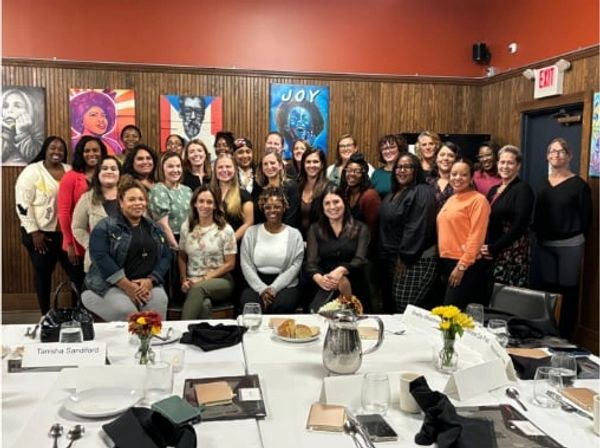
In 2026, after listening to doulas, their experiences, and receiving feedback, and then hosting a social gathering to bring providers and doulas together between 2024 and 2025, Hartford Hospital began implementing orientation opportunities for community doulas to help them become familiar with their hospital campuses including:
- Accessing L&D with ease
- Hospital doula policies and procedures
- What to expect including available options for clients
- Available birth support supplies
- Campus navigation
- Staff expectations
- Communication pathways
- Collaborative approaches to supporting patients
This is important. For many years, doulas often entered hospitals without formal introductions or relationships with staff. These orientations represent an important culture shift by helping doulas feel welcomed while also giving hospital staff confidence in working collaboratively with community birth workers.
Daileann Hemmings, the program director for maternal health equity, has worked really hard to build relationships with community doulas over the years. Hartford Hospital's efforts have the potential to serve as a model for other Connecticut hospital systems seeking to strengthen relationships with community doulas.
Connecticut's Focus Shifts Toward Quality Improvement
By 2026, Connecticut's maternal health work increasingly emphasized questions such as:
- Are hospitals welcoming to doulas?
- Are Medicaid reimbursement rates sustainable?
- What are the barriers that prevent doulas from supporting families?
- Are community doulas included in systems-level decision-making?
- How can hospitals and community organizations collaborate more effectively?
- How can Connecticut reduce racial disparities in maternal and infant health?
The conversation had evolved from recognition to implementation, reflecting a broader commitment to making doula care an integrated and sustainable part of Connecticut's maternal health system.Earth's Natural Touch Realigns the Doulas4CT Coalition: After several years in which the coalition's original vision had slowed, shifted, and stopped without full coalition guidance and participation, Earth's Natural Touch: Birth Care & Beyond, Inc. led efforts to recreate the coalition and move it back towards realignment to the coalition’s founding mission. The coalition was created to operate through community-led advocacy that is driven by maternal health equity research and grassroots experiences and is dedicated to garnering system support through policy development, utilizing collective power, and building community learning around doula policy, legislation, and advocacy.
The renewed coalition returned its focus to doula policy and advocacy:
- Centering Black and Brown families
- Supporting community-based doulas
- Advancing maternal health equity
- Strengthening hospital partnerships
- Improving Medicaid implementation
- Addressing barriers faced by practicing doulas
- Developing practical solutions for Connecticut's doula workforce
ENT’s Continued Commitment to Engagement
Now in 2026, Earth's Natural Touch: Birth Care & Beyond, Inc. (ENT) has remained actively engaged throughout every major stage of Connecticut's modern doula movement. This process has been full of ups, downs, ins, and outs and has absolutely not been perfect. We have not gotten everything we have asked for. Our advice and recommendations have not always been accepted. However, we still stand committed to making things better for doulas, families, and providers in Connecticut as things continue to progress.
ENT contributed to:
- Early legislative education (beginning in 2018)
- Co-creating the Doulas4CT Coalition (2019) and restabilizing it in 2026 after a period of inactivity.
- Oral and Written Legislative Testimony
- Maternal health advocacy
- Medicaid reimbursement discussions
- Connecticut's doula landscape analysis
- Scope of Practice discussions / Doula certification standards and implementation
- Participation in the Connecticut Department of Public Health's Doula Training Advisory Committee and Doula Training Program Review Committee
- DPH Maternal Health Task Force participation
- Doula-Friendly Hospital Initiative work
- CT’s Maternal Health Equity Blueprint
- Educating medical providers about doulas
- Community perinatal education (including lactation)
- Ongoing workforce development with work opportunities
- Training community health workers, home visitors, and community members to become doulas through state and local community organizations such as the CT Office of Early Childhood (OEC), Waterbury Bridge to Success, Ministerial Health Fellowship, New Haven Healthy Start, and CARE New Haven.
- Realignment of the Doulas4CT Coalition: 2026 Goal - Highlight the Medicaid / HUSKY Program and build awareness among doulas, families, providers, and policy makers.
Lactation Laws in Connecticut
Proposed Lactation Consultant Licensure Efforts in Connecticut
Proposed Lactation Consultant Licensure Efforts in Connecticut Effective July 2026
a) SB 1373 — Licensure of Lactation Consultants (2025)
- Status: Passed Senate but did not become law; expected likely future action for licensure effective July 1, 2026 area (as projected in legislative reporting).
- Simplified Summary: Would establish a state licensing program for “lactation consultants” under the Department of Public Health and protect the use of that professional title; certified lactation counselors, doulas, and midwives could continue providing support under current certifications without using the “lactation consultant” title until licensure is in place.
b) HB 5760 — Licensure and Medicaid Coverage for IBCLCs (2023).
- Status: Introduced but not passed; would have required Medicaid to cover Licensed International Board-Certified Lactation Consultants. c) HB 6102 — Medicaid Coverage for IBCLCs (2025)
- Status: Introduced but not passed; would have required Medicaid coverage consistent with federal law for IBCLCs.
Conn. Gen. Stat. § 18-69d — Prenatal, Labor, Postpartum Supports including Lactation in Correctional Settings Signed:
Prior to 2024, codified in statute (amended referenced)
Became Law: Appears in 2024 codification
Effective: Ongoing statutory requirement
Simplified Summary: The Connecticut Department of Correction must establish prenatal, labor, and postpartum services for women incarcerated at York Correctional Institution, including a lactation policy that allows mothers to pump and store breast milk for their babies and provide parenting support literature.
Conn. Gen. Stat. § 31-40w — Breastfeeding in the Workplace
Signed: Originally enacted before 2016; expanded by state legislation in 2021 (HB 5158)
Became law: June 4, 2021 (amendments)
Effective: October 1, 2021
Simplified Summary: Connecticut requires employers of any size to let employees breastfeed or express breast milk at work during meal or break periods. Employers must provide a space close to the work area that is not a toilet, and that offers privacy, access to an electrical outlet, and nearby refrigeration (or a place to put a portable cooler) unless doing so creates an undue hardship. Employers may not discipline or take adverse action against employees for using these rights.
Conn. Gen. Stat. § 53-34b & state anti-discrimination law - Public Breastfeeding Protections
Signed: Longstanding but reinforced; protections actively referenced through 2025 Became Law: Before 2016 (codified historically) Effective: Continues in force Simplified Summary: Connecticut law explicitly allows individuals to breastfeed in any public or private location where they are otherwise authorized to be. It is discriminatory for a person or business to ask someone to stop breastfeeding, cover up, or leave for breastfeeding in public. School and college settings must provide reasonable lactation accommodations under anti-discrimination principles.
Federal Laws That Impact Connecticut (2016–2025)
Pregnant Workers Fairness Act (PWFA)
Pregnant Workers Fairness Act (PWFA)
Pregnant Workers Fairness Act (PWFA)

2023 – Pregnant Workers Fairness Act (PWFA)Federal Law:
Pregnant Workers Fairness Act
Effective: June 27, 2023
Summary: Requires employers to provide reasonable accommodations to employees affected by pregnancy, childbirth, or related conditions.
What it means for Connecticut:
- Doulas / Midwives: Clients (employees) may have workplace protections enabling smoother prenatal/postpartum care access.
- Insurers: Indirect effect—health plans may see longer paid leave and workplace accommodation support.
- Families: Greater legal protection at work during pregnancy and postpartum; easier to attend care visits without discrimination.
PUMP for Nursing Mothers Act
Pregnant Workers Fairness Act (PWFA)
Pregnant Workers Fairness Act (PWFA)
Signed (Federal): December 29, 2022 (as part of federal appropriations)
Effective: Initially federal effective date (2023), impacting workplaces nationwide
Simplified Summary: Expands federal workplace lactation protections by requiring employers (of any size and industry) to provide reasonable break time and a private, non-bathroom space for employees to express breast milk. Unlike prior federal law, this applies broadly and includes a private, non-bathroom space requirement, and provides federal enforcement avenues
2016 – 2021 Happenings
Pregnant Workers Fairness Act (PWFA)
2016 – 2021 Happenings
Though no major new federal law directly passed specifically addressing doulas or midwives during this period, Medicaid coverage of doulas and community health workers had been a focus in federal guidance.
Federal Medicaid Guidance:
The Centers for Medicare & Medicaid Services (CMS) encouraged states to cover doulas and community-based services through state plans or waivers. Connecticut’s legislative movement toward Medicaid doula reimbursement follows this federal policy trend.
What it means: Encouraged state-level policy design; actionable through Medicaid State Plan Amendments or 1115 demonstration waivers.
Laws that Impact Connecticut’s Birthing Families
Maternal and Infant Health Bill
Public Acts 25-38 & 25-7 (HB 7102 & HB 7214)
Signed: June 10, 2025
Became law: Late June / ceremonially July 22, 2025
Effective: Various provisions take effect July 1, 2025 and thereafter
The Black Maternal and Infant Health Caucus in Connecticut has been actively involved in developing and advancing these 2 major pieces of maternal health policy:
An Act Concerning Maternal and Infant Health Care
Caucus in Connecticut has been actively involved in developing and advancing these two major pieces of maternal health policy:
Public Act 25-38 (HB 7102) — An Act Concerning Maternal and Infant Health Care
Simplified Summary:
- Requires the Office of Health Strategy to develop a strategic plan to increase birth centers and birthing hospitals in areas with limited access, especially in high-Medicaid regions.
- Directs the Department of Social Services to increase Medicaid reimbursement rates for doulas, ensuring fair payment within bundled maternity care.
- Expands the Connecticut Fatherhood Initiative to include father engagement in maternal and infant health supports .
- This is one of the most comprehensive maternal health laws Connecticut has passed, explicitly addressing structural access, payment, and support issues.
Public Act 25-7 (HB 7214) — An Act Concerning Maternal Health
- Establishes a Perinatal Mental Health Task Force to study gaps and access in mental health care for pregnant and postpartum individuals.
- Creates a maternity care report card system for hospitals and birth centers, increasing transparency and accountability in maternal care quality.
- Requires the Commissioner of Public Health to convene an advisory committee on doula-friendly practices in hospitals, which is a policy move informed by advocacy around making maternity settings more supportive and inclusive of doulas.
An Act Protecting Maternal Health
(Public Act 23-147)
Signed: June 26–July 24, 2023
Effective: January 1, 2024, onward
What it does: This law significantly expands structural support for birth centers, doulas, nurse home visiting, and midwifery roles in the state. Connecticut passed a major maternal health package that:
- Creates a licensing category for freestanding birth centers, offering an alternative to hospital birth and increasing options for low-risk pregnancies.
- Requires birth centers to be licensed by the CT Department of Public Health.
- Requires the Department of Public Health (DPH) to establish a Doula Advisory Committee and a related Doula Training Program Review Committee. The law also includes a clear statutory definition of “Doula” as a trained, nonmedical professional who provides physical, emotional and informational support, virtually or in person, to a pregnant person and any family or friends supporting such person before, during and after birth.”, and lays the foundation for a voluntary certified doula program.
Under the statute:
- DPH must create a Doula Advisory Committee to advise the Commissioner of Public Health on certification requirements, training standards, access to doula care, and efforts to address disparities.
- The advisory committee includes practicing doulas, community organization representatives, midwifery and obstetric professionals, hospital representation, health equity expertise, and key state agency designees.
- A Doula Training Program Review Committee must continuously review education programs and provide an approved list of training that meets certification standards.
- As of October 1, 2023, a person may only use the title “certified doula” if certified by the state, though non-state-certified doulas may still practice without using that title. *The Department of Public Health is aware that doulas acquire certifications through their chosen training organizations.
- Expands universal nurse home visiting programs to support families early in infancy.
- Tasks DPH with establishing a midwifery working group to study potential regulation and expanded roles for community-based midwives.
Midwifery Scope of Practice Review
- In 2023-Current: The next iteration of the Midwifery Scope of Practice Review Committee is the Midwifery Working Group facilitated by the Connecticut Department of Public Health
- 2022: As part of Public Act 22-58, DPH was required to convene a Midwifery Scope of Practice Review Committee to discuss options for regulating homebirth midwives and barriers to community midwifery in Connecticut. While this did not create a licensure category, it has expanded the understanding of community midwifery roles and responsibilities.
Our Founding Director, SciHonor Devotion, CPM was a member of both and now serves as a tri-chair of the Midwifery Working Group.
Reproductive Freedom Defense Act
(HB 5414 / Public Act 22-19)
Signed: May 5, 2022
Effective: July 1, 2022
What it does: Protects access to reproductive health care services (including abortion) within Connecticut, prevents out-of-state subpoenas related to care lawful in Connecticut, and expands provider types who can perform certain reproductive health services — including nurse midwives. While primarily focused on abortion access, this law impacts overall reproductive and perinatal care rights and protections.
Paid Family and Medical Leave Program (PFMLA)
Signed into law: June 25, 2019
Effective: January 1, 2022
What it does: Connecticut established a paid family and medical leave insurance program that allows workers to take paid time off to care for their own health, a new child, or a sick family member. This includes leave around childbirth and early parenting, which supports postpartum recovery and bonding without financial penalty
Get Involved - Contact Form
“We got work to do!”, SciHonor Devotion
Doulas4CT® is a collaborative coalition made up of doulas, parents, clinicians, community advocates, researchers, and organizational allies who are committed to improving access to culturally responsive doula care in Connecticut.
There are many ways to engage with this work:
- Join the coalition as an active participant, consultant, or advisor
- Lend professional expertise or lived experience
- Share insights about hospital systems, policies, or community needs
- Support advocacy and policy efforts
- Support research, education, and community outreach initiatives
- Support the coalition through funding or partnerships
As Doulas4CT® continues its realignment and rebuilding process, community members are invited to stay connected by completing the Contact Form and/or emailing us at Doulas4CTCoalition@gmail.com. This allows the coalition to share updates, collaboration opportunities, meeting invitations, and engagement opportunities as they emerge. We look forward to connecting and building alongside you.


Sis, Don’t Let Them Turn You Away!
Pregnancy & Postpartum Advocacy Guidebook